YOUR INSTRUCTORS
GET TO KNOW US

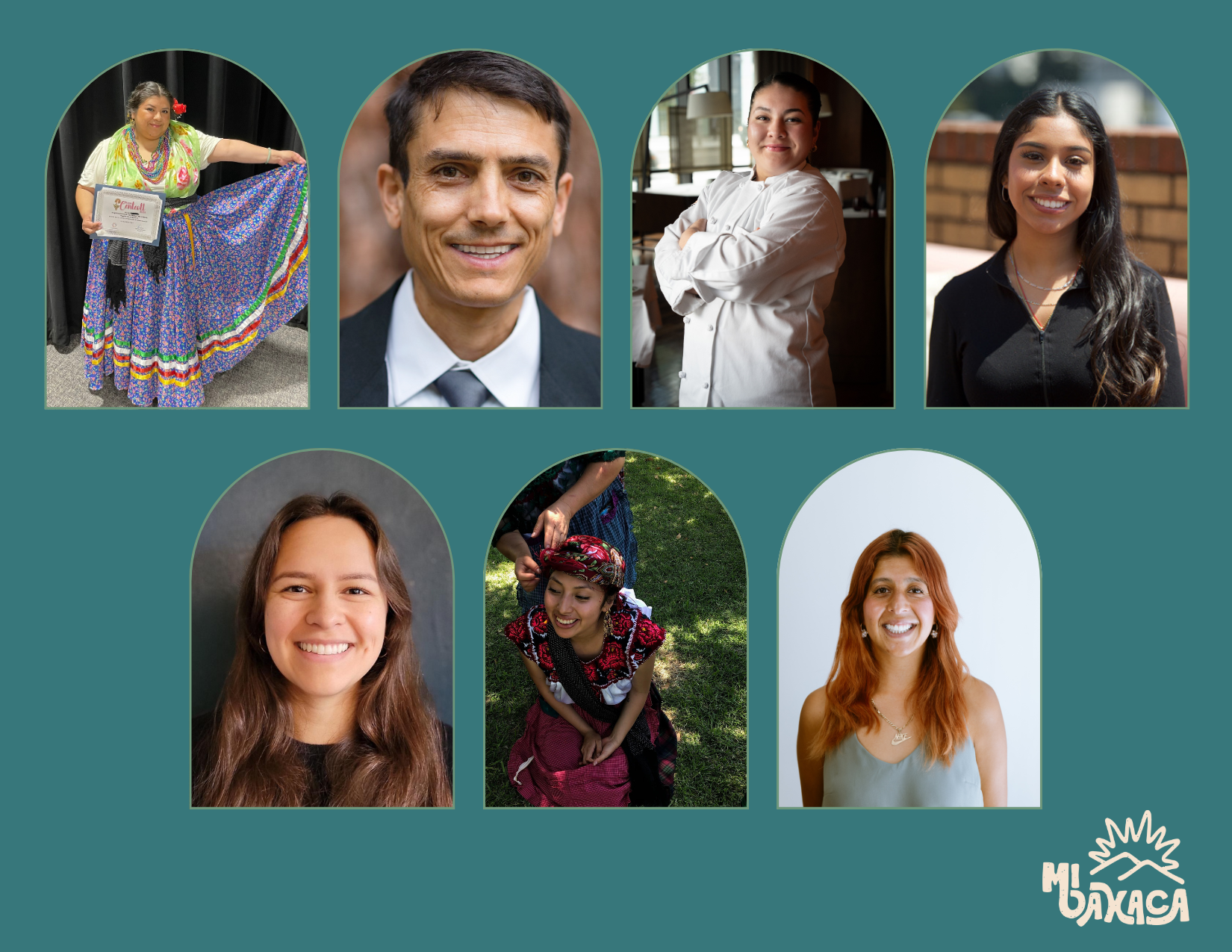
Fabiola Santiago Hernandez, MPH
Founder, Mi Oaxaca
-
Fabiola Santiago is from the World Capital of Mezcal, Santiago Matatlan, Tlacolula, Oaxaca. Her family migrated to Los Angeles, CA because of the mezcal bust in the 1980s. She weaves experiences of identity formation, hospitality industry, public health and social justice in her pedagogy.
Elybeth Sofia, Alcantar, PhD(c)
Department of Geography & Environment, UT- Austin
-
Elybeth was born and raised in San Diego and has familial ties to the Mixteco municipality of San Mateo Etlatongo (Yucu Nduchi), where she is a collaborator with the commission of Bienes Comunales. She is a PhD candidate in the Department of Geography and the Environment at the University of Texas at Austin, and received her M.A. and B.A. in Latin American Studies.
Xochitl Flores Marcial, phd
Santa Monica College
Linguistics, Anthropology, Art History & Digital Humanities
-
Dr. Flores-Marcial is an interdisciplinary historian and collaborates with museums and libraries on public history projects. She was part of the team that brought to life the Visualizing Language: Oaxaca in LA exhibit at the Los Angeles Public Library (2017-2018). She works with Zapotec and Nahuatl language documents and is a board member of Ticha, an online, digital explorer for a corpus of Colonial Zapotec texts.
Luis Lopez, Phd
Assistant Professor, UC Irvine
-
Dr. Luis Sánchez-López is a Zapotec scholar from Tlacolula, Oaxaca. His research focuses on Indigenous history, customary law, and the construction of Latinx Indigeneity.
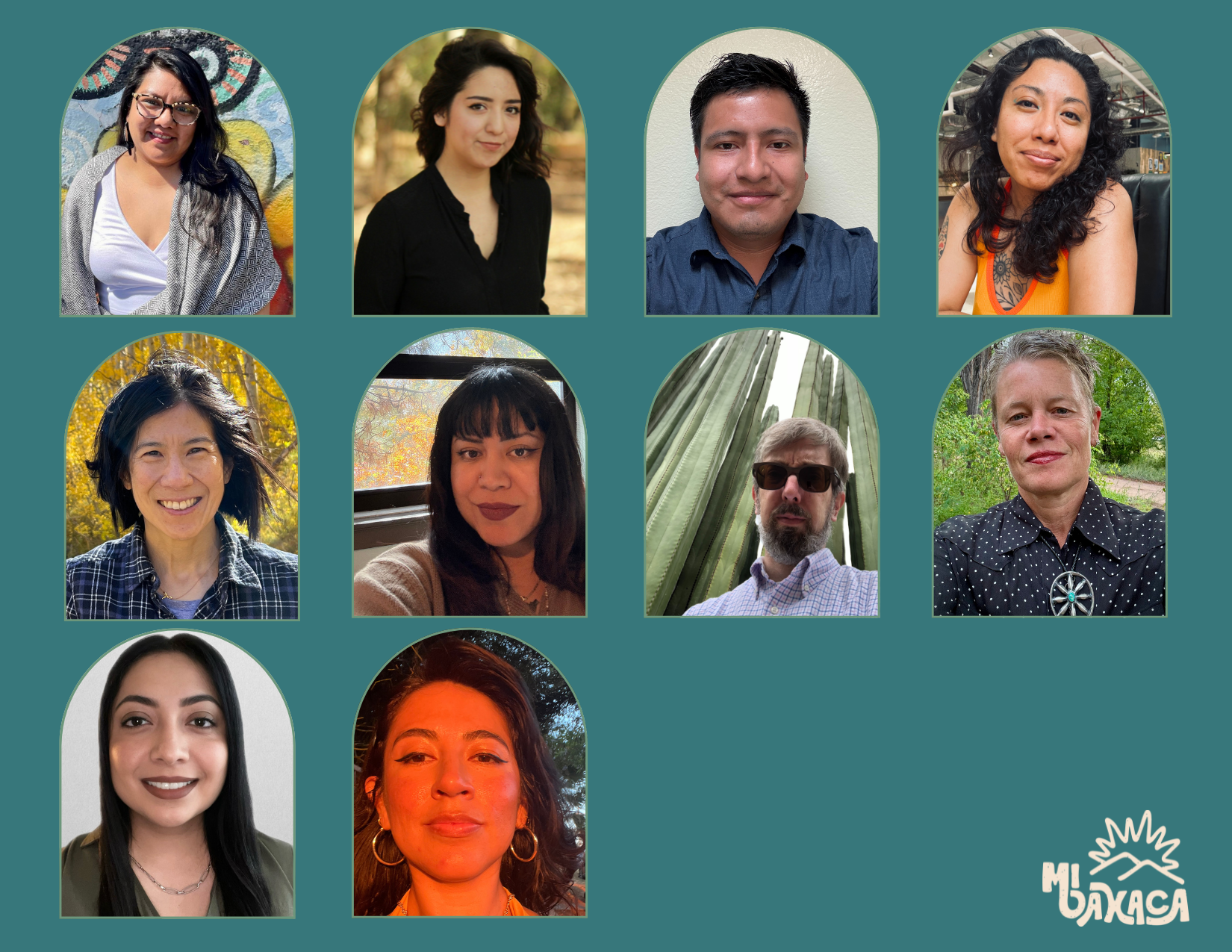
Cynthia Villalobos
CEO, Aventureros del Mezcal
-
Cynthia is part of the founding society of “Aventureros del Mezcal” a social enterprise focused on fair payment. She is also a founding partner of “Diplomado Explora Mezcal” a project dedicated to professionalizing agents in the mezcal and Mexican distillates industry. Cynthia serves as a Mezcal ambassador for the Mezcal Institute based in Washington DC.
Nate Darling
Founder, Pekut and Carwick Independent Bottlers
-
Nate is a Bay Area bottler and importer of fine distilled spirits and the founder of Pekut and Carwick Independent Bottlers, an East Bay small business promoting spirits as expressions of the farm, orchard, field, region, and people they came from. Before he worked in spirits, Nate helped build NASA satellites, stood deck watch on tall ships, and worked as a line cook in fancy (and not so fancy) restaurants.
Margarita Cozzan, DrPH
Johns Hopkins Bloomberg School of Public Health
-
Margarita is a doctoral student in public health and food systems at the Johns Hopkins Bloomberg School of Public Health. She is a mother to a toddler and a daughter of immigrants from South America. She is passionate about building health equity and food justice through strengthening food systems, preserving cultural food ways, and mitigating the modern agricultural system's effects on climate change.
Yessica Viridiana Fernandez Galicia, Phd
Water Management Lab/UC Davis
-
Yessica is an agave farmer in Central Mexico, where they produce pulque and other derivatives of the agave pulquero. Her fascinating agave plant has been a source of constant inspiration to continue exploring its benefits, balancing and caring for the environment, and generating wealth for the farmers who cultivate it.

6-week Online course

An Introduction to Mezcal Through Indigenous Worldviews
course Syllabus
-
Across all aspects of the mezcal supply chain, decisions are made that either support the preservation of Indigenous lifeways and ecological knowledge or harm it.
Mi Oaxaca’s, An Introduction to Mezcal Through Indigenous Worldviews is designed to develop the knowledge, attitudes, and skills necessary to effect socially and culturally responsible engagement of participants in the mezcal industry and with Indigenous Oaxacan culture. This fast-paced course is intended to provide learners with both macro and micro concepts as they relate to mezcal, and the people and places where mezcal has been produced before there was a formal market. Traditional ecological knowledge is prioritized because mezcal and the natural world are inextricably linked.
The primary goal of this educational intervention is to activate critical thinking about our food and drink systems and how it intersects with culture, ecosystems, politics, and identity.
The secondary goal of this course is to encourage learners to create models and consumer practices that are more equitable, reciprocal, and honor the cultures who safeguarded the goods we get to enjoy today.
Course Fee: Sliding scale $360-$1,440 -
This course brings together various experiences in and outside the formal mezcal supply chain. Instructors are Indigenous-diasporic Oaxacan professors and professionals, alcohol industry consultants and business owners, as well as professionals in the fields of public health, and agro-economy.
-
This introductory course is intended for a broad audience. We are most interested in having the following groups take the course:
Diasporic-Indigenous Oaxacans
BIPOC hospitality/service industry workers
Bar and restaurant owners that sell mezcal and other cultural products from Oaxaca
Latine people who are intentionally reconnecting with their roots
Consumers who want to make more informed decisions about mezcales they enjoy
People who know that the current food system is harmful and believe that it could be different.
Indigenous-diasporic undocumented and DACAmented Oaxaqueñes to the front!!
-
~ 12 hours of classroom instruction and activities
Unlimited access to module and lesson materials, including course recordings
Community of individuals to co-create new standards of cultural appreciation
-
Course Schedule: Tuesdays for 6 weeks from 10am - 12pm (Pacific Time)
Course Offered: Spring and Fall
Course Location: Zoom (provided after enrollment)
Week 1 - Course Introduction & Orientation
Orientation & Introductions
Anti-Indigeneity: How Indigenous Lifeways get co-opted by nation states
Week 2- Place and Product: Oaxaca’s Geography and Mezcal
Lesson 1 - Mezcal Processes and uses before the boom
Lesson 2 - Oaxaca’s Geography
Week 3 - Indigenous vs Western Systems and Culture
Lesson 3 - Indigenous Intellectual and Cultural History
Lesson 4 - Customary Indigenous Law in Oaxaca
Week 4- Social & Cultural Responsibility
Lesson 5 - Commercialization in Mexico
Lesson 6 - Supply Chain from MX to US
Week 5- Economics, Public Health & Systems Change
Lesson 7 - Agro-Economics
Lesson 8 - Equity & Justice in Public Health, Food, and Climate
Week 7 - Course Integration & Closing
Integration
Course Wrap-up
-
Must be 21+ if living in the U.S.
Access to the internet and an email account for course participation and communication.
Language: This class will be offered in English with Spanish (and some Zapotec) words and phrases used throughout. Students are not expected to be fluent in Spanish, but familiarity with the language is highly encouraged.
Attendance: Learners are highly encouraged to attend class. If learners are absent, they will be able to watch the recorded lectures, but not the group discussions. For those electing to receive a certificate of completion, learners must attend or watch all modules.
Participation: We welcome learners to make their learning experiences as comfortable for them as possible. We encourage self-care practices (stay hydrated, fed, stretch etc.) and we won’t be offended if you have your camera off. We also want to state that having cameras on helps us build trust and connection.
Mi Oaxaca has spent time and energy developing course policies that are as fair and equitable as possible. To get a copy of these policies, email us at programs@mioaxaca.org. Our policies include:
Financial Transparency Statement
Payment
Sliding Scale/Pricing Model
Withdrawal
Postponement
Transfer
Attendance & Participation
Returning Learner
Meet the Learners
Mi Oaxaca’s 6-week online course, An Introduction to Mezcal Through Indigenous Worldviews, was developed as a public health intervention to address the social, environmental, and economic inequities of the mezcal industry.
The course was launched in the Fall of 2024 and provides 12 hours of instruction that builds skills and knowledge to respectfully and critically engage with mezcal and the mezcal industry.
To date, we have facilitated three cohorts of An Introduction to Mezcal Through Indigenous Worldviews, with 45 learners completing the course and representing industries such as: food and beverage, hospitality, language services, and education and academia.
-
Our pilot six-week course enrolled 20 learners, including entrepreneurs from La Cocina and individuals working in writing, climate justice, and academia. Learners in this cohort had the opportunity to take part in a cultural exchange trip to Oaxaca.
-
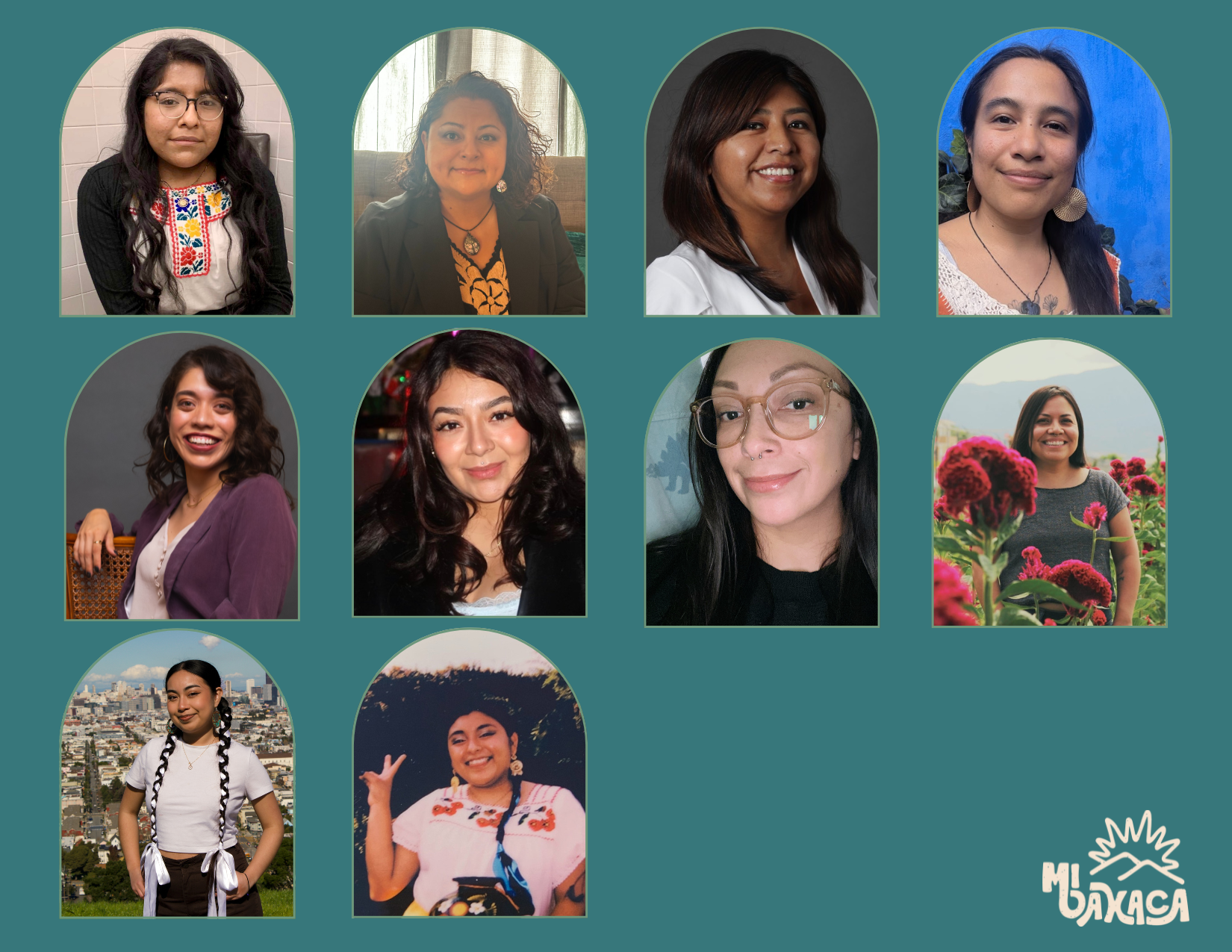
Our third cohort included 15 learners from 21 cities across the United States and Mexico. Learners represented a range of regions, including San Francisco, Los Angeles, Atlanta, Charlotte, Brooklyn, and Mexico City. Learners brought professional experience in bartending, culinary arts, language services, education and research, and community organizing.
-
Our second cohort enrolled 18 learners. Ten individuals were born in Mexico, including five from Oaxaca. Learners brought diverse professional and lived experiences, representing the food and beverage industry, hospitality, communications and the arts, academia, healthcare and social services, as well as stay-at-home parents.